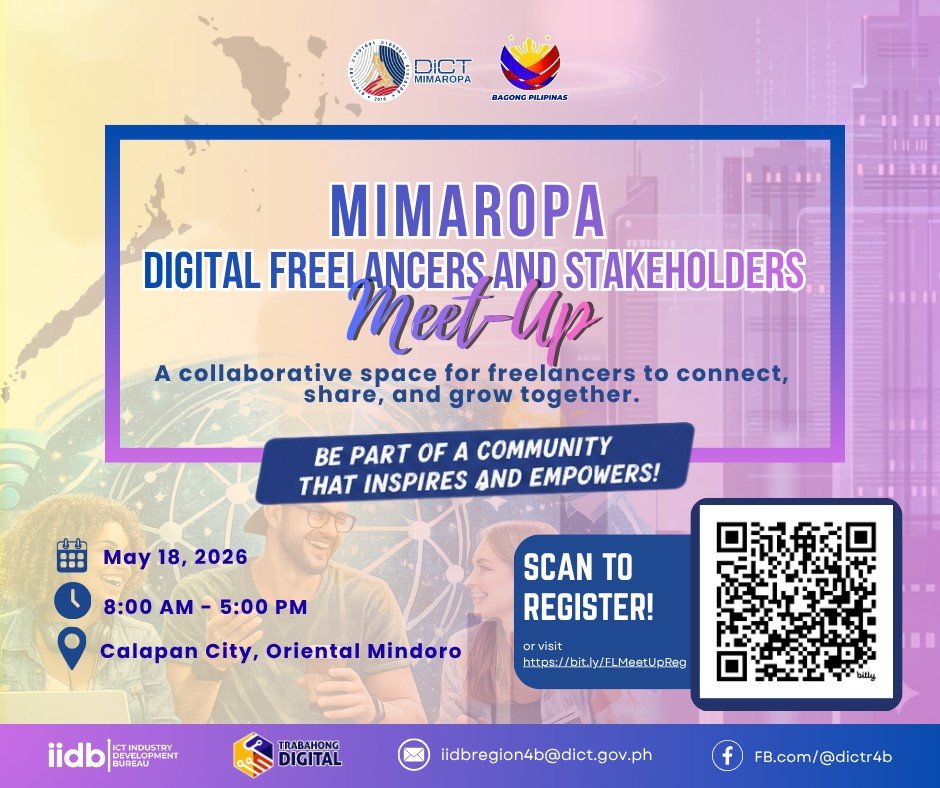
Yesterday, I had the privilege of attending the MIMAROPA Digital Freelancers and Stakeholders Meet-Up — a full-day gathering organized by DICT MIMAROPA that brought together freelancers, government agencies, and ecosystem builders to talk honestly about where Philippine gig work is headed, and what it needs to get there.
A Room Full of People Who Get It
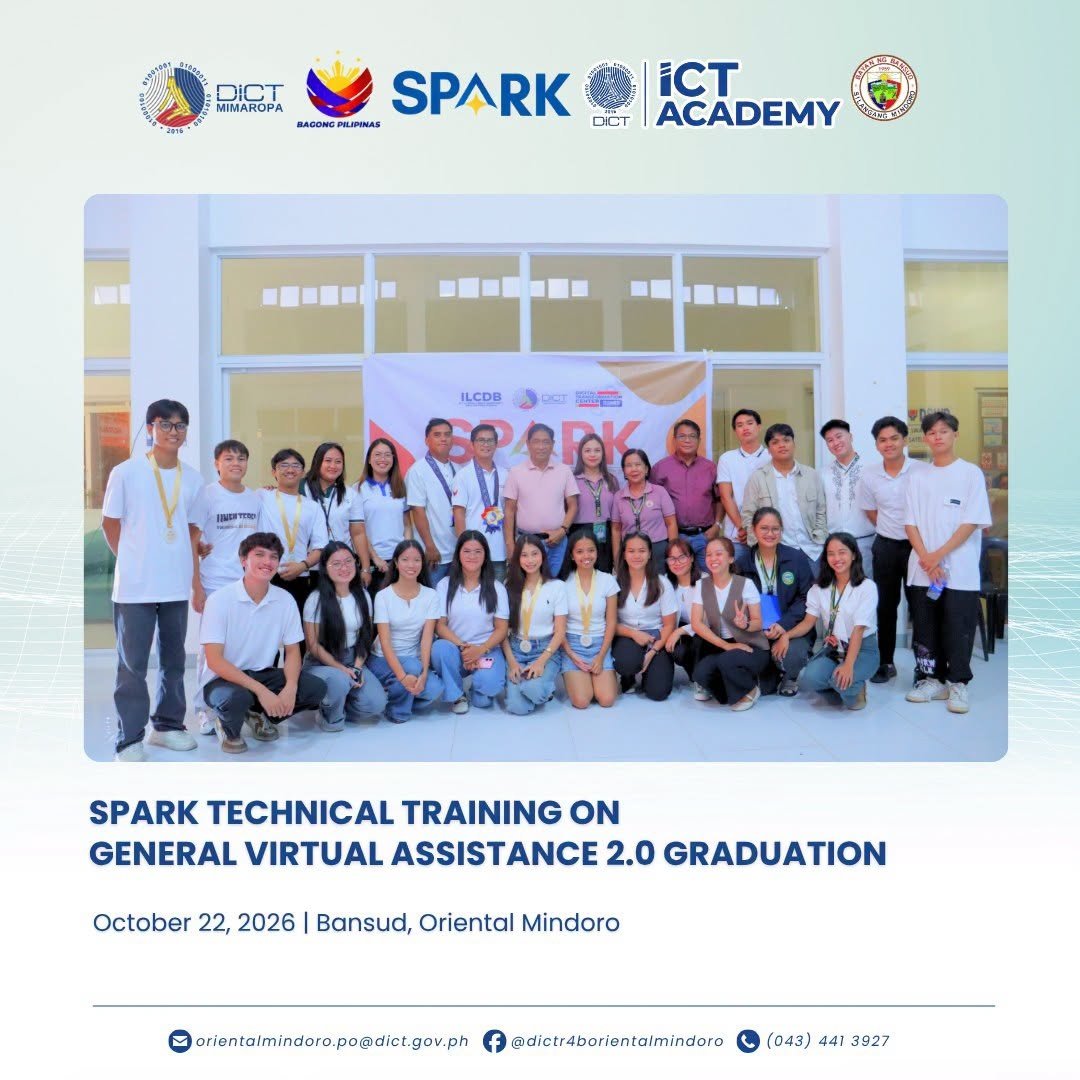
The event was held at the SPARK Technical Training venue in Calapan City, Oriental Mindoro — organized under the ILCDB-DICT collaboration and the Trabahong Digital banner. This wasn’t a generic seminar. The program was sharp, the conversations were candid, and the data presented made the stakes very clear.
As someone who does SEO and digital marketing work remotely, I wasn’t there as a spectator. The issues discussed — income stability, skill gaps, recognition of gig work as legitimate labor — are things I navigate every week.
The Numbers That Reframe the Conversation
Ms. Janette Toral opened the formal session with a presentation on the state of the gig economy in the Philippines. The headline figures were striking — and deserve to be taken seriously.
The presentation made a strong argument: gig work is no longer a side hustle. It’s larger than manufacturing, mining, wholesale, and electricity sectors combined. When one in every four Filipino workers belongs to this ecosystem, it demands policy attention — not just upskilling programs.
“Gig work is increasingly becoming part of the country’s labor adjustment system.”
The transition data was equally revealing. Freelancing increasingly acts as a bridge — not a dead end — between unemployment and wage employment. For some it’s temporary. For others, like many of us in the room, it becomes a long-term career.
The Honest Trade-Off: Opportunity vs. Security
One of the more grounded slides of the day acknowledged something that often gets glossed over in “work from anywhere” narratives: opportunity and security are not the same thing.
- ✅ Flexibility
- ✅ Autonomy
- ✅ Higher earnings potential
- ⚠️ Unstable income
- ⚠️ No guaranteed benefits
- ⚠️ Burnout risk
- ⚠️ Inconsistent workloads
This tension wasn’t dismissed or minimized. The conversation was honest about it — and that honesty is what made the day feel worth attending.
What Freelancers Actually Need Beyond Training
One of the most useful parts of the day was a clear articulation of what the freelance ecosystem still lacks. Training programs are valuable — but they’re not the whole answer.
Digital literacy
AI readiness
Legal awareness
Social protection
Financing access
Local coworking hubs
Mental health support
Each of these points to a gap that a single government program can’t close on its own. Infrastructure and coworking hubs are physical problems. Social protection and financing are policy problems. AI readiness and legal awareness are education problems — but different from technical skills training. And mental health support? That one often goes unspoken. The isolation of freelance work is real.
The SPARK Upskilling Curriculum
The SPARK Technical Training program offers a tiered curriculum covering a genuinely broad range of digital skills. The Level 2 lineup is particularly relevant to what the market actually demands right now.
The SEO with AI course stood out to me, naturally. The fact that it’s included alongside AI-Driven Data Science and AI-Powered Freelancing signals that this curriculum was designed with actual market demand in mind, not just what’s easiest to teach.
Programme of the Day
What I’m Taking Away
The ecosystem conversation has matured
Events like this aren’t just skills fairs. The focus on policy, social protection, and systemic gaps shows the conversation has moved forward.
AI integration is the current frontier
Nearly every Level 2 course touches AI in some way. Freelancers who aren’t incorporating AI into their workflows will face increasing pressure on their rates.
Community matters more than we admit
The lightning talks, the FGD, the networking after — these informal moments may have more lasting value than any single presentation.
MIMAROPA is not behind — it’s building
This event signals the region is actively constructing its digital workforce infrastructure. That’s worth paying attention to.
The freelance economy in the Philippines is not a fringe phenomenon — it’s a quarter of the workforce and it’s growing. Events like this MIMAROPA meetup are exactly where the foundations of a better-supported ecosystem get laid: through honest data, community input, and programs that actually match what the market needs.
If you attended and want to continue the conversation, or if you’re a freelancer in MIMAROPA looking to connect — reach out. The whole point of a meetup is what comes after it.
SEO Specialist and digital marketing professional in Philippines. Writing about remote work, SEO, and the Philippine freelance economy.