First, The Event That Brought Us Together
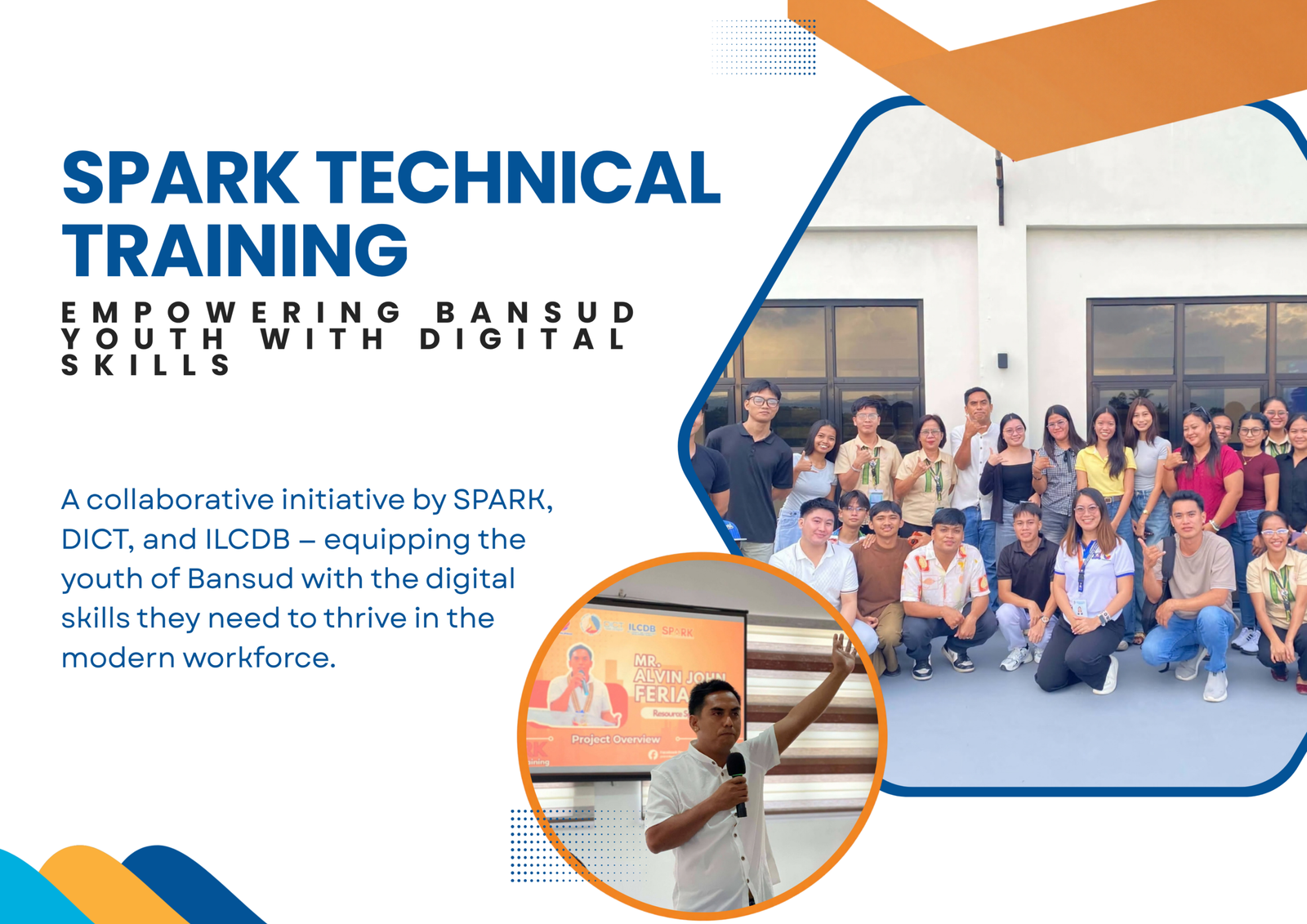
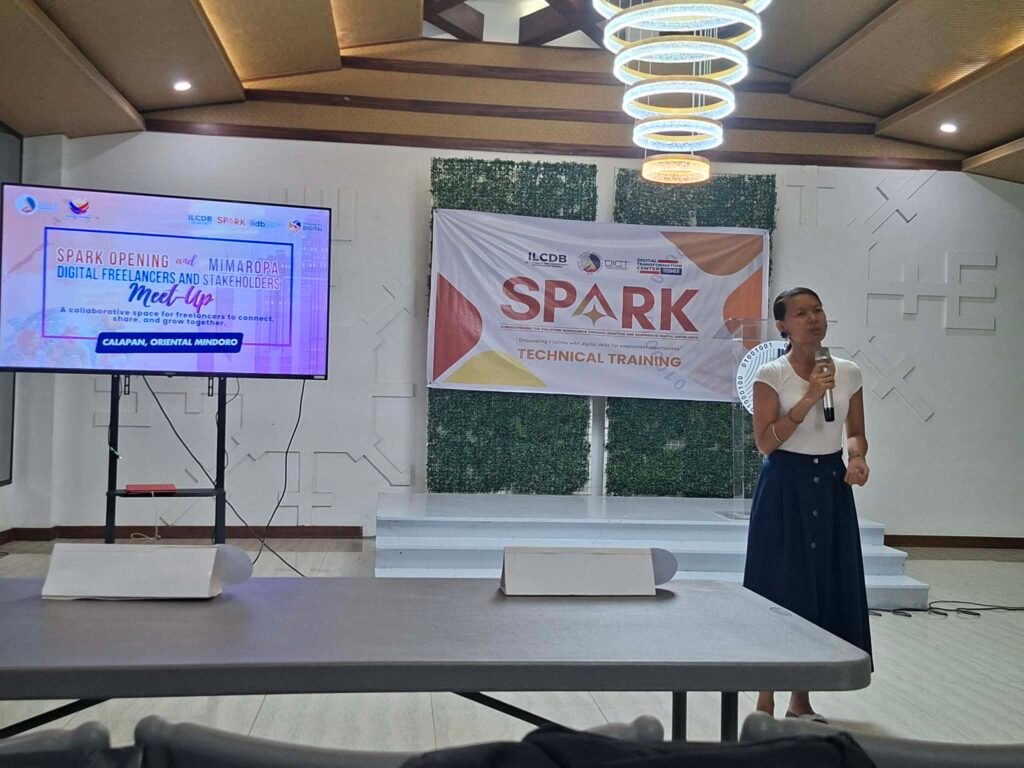
On May 18, 2026, DICT MIMAROPA held the MIMAROPA Digital Freelancers and Stakeholders Meet-Up at the SPARK Technical Training venue in Calapan City, Oriental Mindoro. It was a full-day event — part of the SPARK program opening under the ILCDB-DICT collaboration and the Trabahong Digital initiative — that brought together freelancers, agency owners, government officials, and ecosystem builders from across the MIMAROPA region.
The goal was straightforward but ambitious: create a space where the people actually doing digital work in the region could speak directly to the gaps, surface what’s working, and give government agencies something concrete to act on.
The afternoon Focused Group Discussion (FGD) was the heart of the event. Participants were split into groups based on their role in the ecosystem. I was assigned to — and this post is specifically about — the Agency Owners group.
Our Group: Agency Owners
The Agency Owners FGD group was composed of nine participants — all running or closely involved with digital agencies in the Mindoro area. The mix of perspectives in the room made the discussion rich: from solo operators to multi-member teams, from purely digital marketing agencies to VA-focused operations.
Alvin John Ferias
Gerson Lacdao
Rica Ragonjan
Mary Joy Macalalad-Saludo
Ria Koreen Atienza
Lyka Ann Tulfo
Mylene Sumillano
Arckie Villanueva
Blessierie S. Balancio
Where We Are Now: The Current State of Digital Agencies in Mindoro
The group started by mapping the current landscape honestly — what services agencies in Mindoro are offering, what real opportunities exist, what structural advantages the region has, and what developments are accelerating growth. The picture that emerged was more optimistic than I expected, with some important caveats.
Industries & Services
- Digital Marketing
- Virtual Assistance
- AI-supported technology
Opportunities
- Growing awareness among local business owners
- Competitive labor arbitrage
- Social media for local community building
- Growing pool of English-proficient, tech-savvy youth
Advantages
- Skilled local mentors
- Availability of online resources
- Rising LGU support (e.g., DICT initiatives)
- Low cost of living
- Growing freelancer & peer networks
Developments
- Digitalization of local businesses
- Easy tool access
- AI assistance becoming mainstream
The foundational picture is genuinely encouraging. Mindoro has the raw ingredients — the talent, the low operating costs, the growing peer networks, and increasing government attention. What it lacks are the structural enablers that would let agencies convert that potential into stable, scalable businesses.
The Major Challenges: What’s Holding Agencies Back
The second part of the discussion was about pain points — and the group didn’t soften them. These are real, recurring problems that agency owners in Oriental Mindoro navigate every week. I’ve seen most of these up close myself.
Infrastructure: Power & Internet Interruptions
Unscheduled and extended power outages, combined with unreliable internet, are the single biggest operational risk for Mindoro-based agencies. Co-working space availability adds to the problem — there simply aren’t enough reliable spaces with the infrastructure to support digital work at scale.
Mental Health, Burnout & Isolation
This one doesn’t get talked about enough. Burned-out or depressed contractors who suddenly ghost projects don’t just hurt themselves — they halt agency momentum, damage client relationships, and often leave agency owners scrambling at the worst possible moments. The isolation of remote work compounds the problem significantly.
Financial Instability & Lack of Benefits
Low financial support from government means agency owners — many of whom are operating as informal businesses — have limited access to capital, no HMO coverage for their teams, and no safety net during slow periods. This makes it extremely hard to hire full-time and invest in growth.
Systems & Agent Loyalty
Every agency has to build its own operational systems from scratch — there’s no shared template, no support structure, no local mentorship for this. Pair that with low agent retention and you end up in a constant rebuild cycle. The cost isn’t just time — it’s lost client trust and agency credibility.
Skill Gaps & Lack of Agency-Specific Training
There’s a meaningful difference between a skilled freelancer and an agency-ready team member. That gap — in systems thinking, client communication, project management, and accountability — is not addressed by any current local government training program. Agency owners currently bridge this gap entirely on their own.
AI and the Future of Agency Work: The OFST Framework
The group then mapped out our collective view on AI — using an OFST framework to think through Opportunities, Fears, Skills needed, and Tools currently in use. This section of the discussion was one of the most energetic, because everyone in the room is already using AI in some capacity and had real opinions about it.
The tools list is telling: these aren’t exotic platforms. Most agencies in the room are running on mainstream, accessible tools — which means the bottleneck isn’t access to technology. It’s training, systems, and the structural support to use these tools effectively at the agency level.
What We’re Asking For: The Support System
Before arriving at our top priorities, the group mapped out a concrete set of support requests — tagged to the specific agencies best positioned to deliver them. This is what makes the output of the FGD different from a complaint session: it was solution-oriented and addressed to the right people.
Our Top 3 Priorities
After mapping challenges and support asks, the group was asked to consolidate everything into three priority actions for government attention. This is what we presented during the 2:30 PM FGD reporting session.
Why This FGD Mattered
The Focused Group Discussion format works when the right people are in the room and the conversation is structured enough to produce outputs — not just frustration. The Agency Owners group delivered exactly that. Nine people with real operating experience in digital agencies in MIMAROPA, mapping their landscape honestly, naming their problems specifically, and presenting solutions that are tied to the agencies that can actually act on them.
What struck me most was how practical the priorities were. Priority #1 — power and internet infrastructure — wasn’t a complaint about the government. It was a precise diagnosis: fix the foundation, and everything else the ecosystem is trying to build becomes viable. The talent is here. The market demand is real. The tools are accessible. The missing piece is reliable infrastructure and institutional support for the people running agencies — not just the individuals doing the work.
“As an agency owner, reliability is our ultimate currency. You can have the most talented, AI-certified, brilliant digital workers in the world — but if their power goes out or their internet drops mid-launch, the business fails. Solving infrastructure instantly unlocks the region’s economic potential, protects agency-client relationships, and secures steady income for the workers.”
— Agency Owners Group Priority Action Statement, MIMAROPA FGD, May 18, 2026
The MIMAROPA digital agency ecosystem is not waiting to be discovered. It’s already operating — under pressure, with limited support, and with a clear idea of what it needs. The FGD was a chance to say that directly to the people who can change it. I’m glad we were in the room.
SEO Specialist and digital marketing professional in Philippines